Food idioms are an important part of the English language. We use them a lot! We’ve written about them before, which you can find here, but we thought that we would add some more. Food idioms are so common that they’re a great thing to know if you’re learning English. Even native speakers could use a refresher sometimes!
Here are some fun food idioms you should know if you’re learning English – or even if you’re not!
Sell like hotcakes
Have you ever seen something that was very popular sell out very quickly? Then it sold like hotcakes! If something sells like hotcakes, it is very popular and sells out very fast. A new gaming system, such as a Playstation, or very popular book may sell like hotcakes. This makes them hard to find in stores, but if you’re lucky, you may be able to get one of your own!
For example:
- I remember when the Wii came out, it sold like hotcakes. It was impossible to find in stores because everyone wanted to buy one.
- Sarah is such a good baker! I think if she ever sold her cupcakes, that they would sell like hotcakes.
Driving someone bananas/Go bananas
Fun fact about me: I hate eating bananas, but I say things are driving me bananas all the time. Are the two connected? Maybe! Driving someone bananas and going bananas are two very common food idioms in English. They both mean to go insane or to go crazy. If you go bananas, then you’re very excited or crazy for something. If someone or something is driving you bananas, something is making you crazy.
For example:
- Work has been driving me bananas. I can’t handle what’s been happening. It’s making me absolutely crazy.
- Kids always seem to go bananas when people give them ice cream or candy. They love sugary food so much, that they go a bit insane!
In a pickle
If you’ve ever been in trouble, then you’ve been in a pickle. Being in a pickle means that you’re in trouble, but very minor (not serious) trouble. It’s not very serious, and things will be ok in the end.
For example:
- When we were driving through France on vacation, we got a little lost. We were in a bit of a pickle until we asked someone for directions and found our way.
- Rick said the wrong thing to his friend, who got a little bit mad at him. Rick thought he was in a pickle because of it, but his friend was just having a bad day and quickly forgave him.
Two peas in a pod
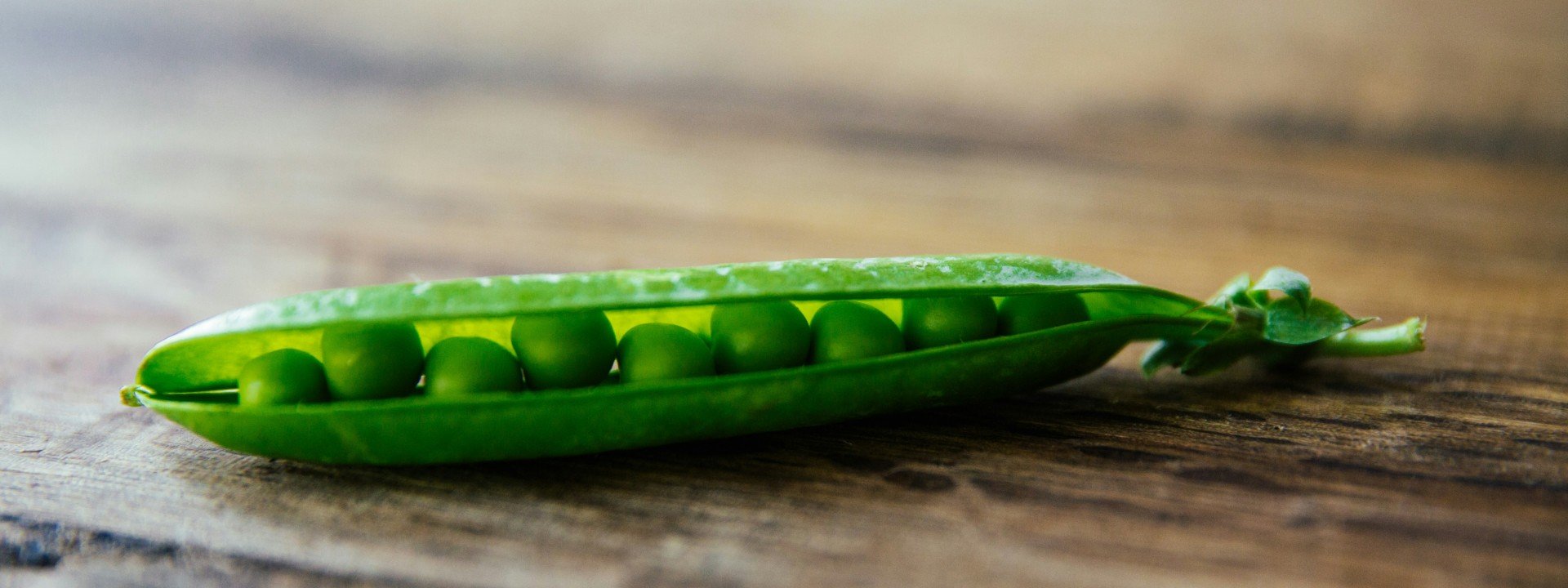
Do you have a friend you’re really close with? Are you two very similar (almost the same)? Then you may be two peas in a pod! This food idiom in English describes two people who are very close and are very like (similar) each other. This is because peas in a pod (where peas grow) are extremely similar to each other, and look identical.
For example:
- My best friend and I were like two peas in a pod. We did everything together. That’s why I was so sad when he moved away.
- Steph and her mother are two peas in a pod. They’re exactly alike (the same) and love spending time together.
Do you use any of these food idioms in English? Have you heard of any of them before? Share with us in the comments below!
Did you like this blog? Share it with others! Let us know what YOU think!
Check out these other popular blogs: Filler Words in English, Vocabulary for Sleeping, Suffixes -er and -ee, or these Conversation Topics to Avoid in English!
 Erin Duffin lives in Hamburg, is an English teacher, blogger, yoga instructor, and goes bananas for a good book.
Looking for more phrases, ways to use English every day, or get the conversation started? Sign up for our newsletter or check out the website!