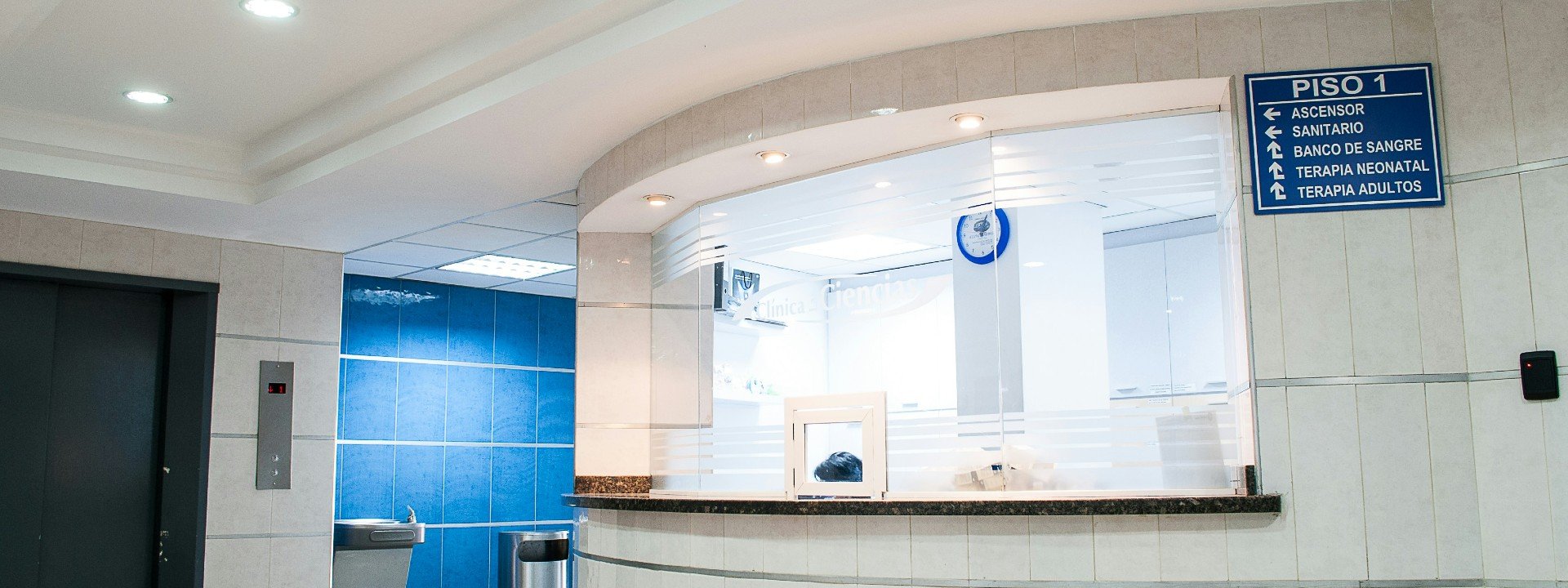
Unfortunately, I’ve spent a lot of time in hospitals over the past year. However, one of the benefits is that my medical vocabulary has gotten a lot better – in both English and German! Because of this, I’ve realized that hospital vocabulary can be pretty specialized (specific to one thing).
But this is why Bespeaking is here! To help you navigate (work around) tricky language situations. Here is some hospital vocabulary in English that you may find useful. We hope you don’t have to use it any time soon, but it’ll be good to have in your back pocket (ready to go/in reserve) if you need it.
Referral
A referral is something you can get from your regular doctor to see a specialist. This may help you get an appointment faster or get you in to see a doctor who might not have seen you before. Referrals are great to have, but you have to make sure to get one from your doctor.
For example:
- I had to go to my doctor to get a referral for an MRI. Instead of waiting ages, I have one on Tuesday.
- I need to get a new referral from my doctor. The one I had doesn’t count anymore.
Waiting room
If you’re at the hospital, you’re likely going to be spending a lot of time in a waiting room. After you check in, you’ll probably be directed to a waiting room. This is where you do just that. You wait to be called for your appointment. Waiting rooms can be very boring, so make sure to bring a book or something to do!
For example:
- If you can just take a seat in the waiting room, we’ll be with you soon.
- Do you know when I’ll be seen? I’ve been in the waiting room for an hour already.
Inpatient
Have you heard of an inpatient procedure? This is an important term to know if you’re going to be spending time at the hospital. An inpatient procedure is when you go in for a procedure and have to stay overnight. This could be a long or complicated surgery, where doctors need to check up on you afterwards. I hope you don’t have many inpatient procedures in your life!
For example:
- I have to go to the hospital for an inpatient procedure. I’m having surgery tomorrow.
- Are you here for an inpatient or outpatient procedure? How long will you be staying in the hospital for?
Outpatient
If you thought there must be an opposite of inpatient, then you’re correct! There are also outpatient procedures at a hospital. Outpatient procedures are something that is done where you can go home afterwards, and don’t have to stay overnight. Outpatient procedures vary a lot, and can be small surgeries, appointments, or tests.
For example:
- When my dad had his knee replaced, it was an outpatient procedure. He went home later that afternoon.
- She had to go to the hospital for an outpatient procedure today. She had to get an echocardiogram (where the doctor looks at your heart with an ultrasound machine).
Visiting hours
If you have an inpatient procedure, or know someone who will have one, then this is a very important piece of hospital vocabulary to know. Hospitals can be very boring places if you’re there for a long time, so visiting hours are very important. Visiting hours are the times when family and friends are allowed to visit someone. Then you can come in, see how someone’s doing, talk to them, and maybe even bring snacks!
For example:
- Visiting hours are between 2pm and 8pm. You can come see her then.
- Let me know when visiting hours are tomorrow, and I’ll come see you. Is there anything you want me to bring?
Have you had to use any of this hospital vocabulary in the past? Do you have any other useful phrases or words that could come in handy in a hospital? Share with us in the comments below!
Did you like this blog? Share it with others! Let us know what YOU think!
Check out these other popular blogs: Filler Words in English, Vocabulary for Sleeping, Suffixes -er and -ee, or these Conversation Topics to Avoid in English!
 Erin Duffin lives in Hamburg, is an English teacher, blogger, yoga instructor, and learned just how important it is to have someone bring you snacks during visiting hours at the hospital earlier this year. Life saver!
Looking for more phrases, ways to use English every day, or get the conversation started? Sign up for our newsletter or check out the website!